


Blog
THE PRICE OF THC EDIBLES: HOW TO COMPARE & UNDERSTAND?


The best way to compare edible prices is to calculate the price per milligram (mg) of THC, then adjust for total potency, number of servings, type of extract used, and added cannabinoids.
Sticker price alone is misleading — two edibles at the same price can deliver very different value.. Price per mg is the most accurate and fair comparison metric.
Table of Contents
Why Edible Prices Are Confusing
At first glance, edible pricing can feel inconsistent or even misleading:
- One edible costs $6–$8
- Another costs $20–$30
Without context, it’s hard to tell what’s actually cheap — and what’s just cheap-looking. That’s because edible prices are influenced by plenty of criterias. To compare prices properly, you need to look deeper than shelf price.
Criteria Used to Compare Edible Prices
To determine which edible offers the best value, you should evaluate pricing using these criteria:
- Price per mg of THC
- Total potency per package
- Types of Edibles
- Type of extract used
- Other cannabinoids included
- Legal vs Legacy
Price Per mg of THC (The Most Important Metric)
This is the foundation of any price comparison and the calculation is pretty straightforward:
Total price ÷ Total mg of THC = Price per mg
COMPARISON CHART
| Product | Price | Total THC | Price per mg |
|---|---|---|---|
| Gummies A | $4 | 10 mg | $0.40 |
| Gummies B | $10 | 100 mg | $0.10 |
| Gummies C | $35 | 1000 mg | $0.035 |
Rule of thumb (Canada):
- Strong value: $0.05–$0.10 per mg
- Average: $0.11–$0.18 per mg
- Expensive: $0.20+ per mg
In Canada all edibles from Local store will go under the expensive category. Mostly due to the 10mg limitation per packagin However regulations are evolving year over year and slowly bringing price down. With the introduction of co-packing 100mg THC package in July 2025.
When it comes to Average and best value, online dispensaries and local weed deliveries will be your best option. With price usually 5-10 times cheaper than what you can find normally find. Having higher doses available definitely drives the price per mg down.
Total Potency Per Package (Why This Changes Everything)
Total potency per package has a massive impact on price per mg, and it’s one of the most common reasons buyers overpay without realizing it. A 10 mg package and a 1000 mg package are not even in the same pricing universe. Edibles with very low total THC usually have: Higher packaging and handling cost per mg, smaller production runs, fixed costs spread over fewer milligrams.
High-potency packages spread those same costs across far more THC, which dramatically lowers the price per mg. A 1000 mg edible can cost 10× less per mg than a 10 mg package, even though the upfront price is higher.
- Regular users almost always save money by buying higher total potency
- Low-potency packages look affordable but often have the worst value per mg
- High-potency packages cost more upfront but are usually cheaper long-term
Type of Edible: Gummies vs OTHER FORMATS
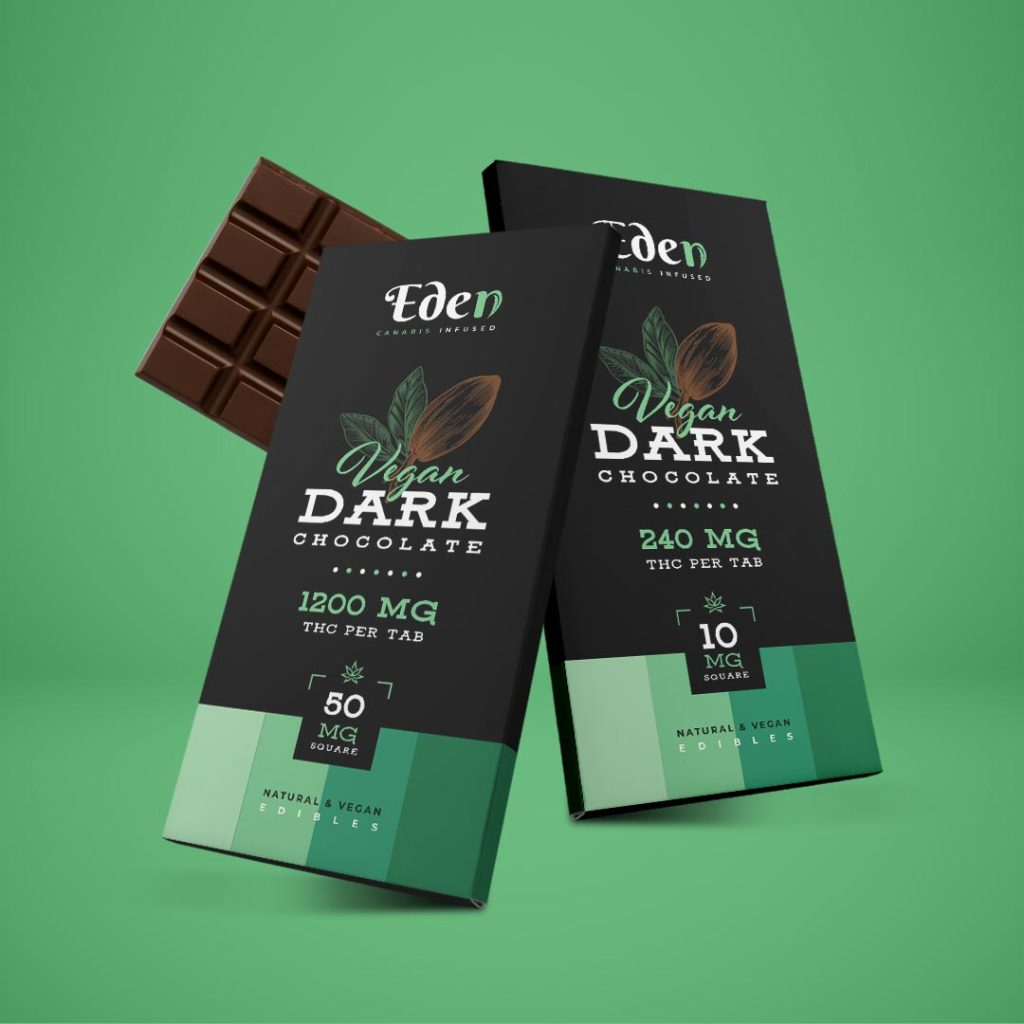
The format of an edible can significantly impact its price, even when THC content is the same. Simple gummies are usually the most cost-efficient option because they’re easy to produce at scale, resulting in a lower price per mg of THC.
More elaborate formats — like chocolates, baked goods, or novelty edibles — involve premium ingredients and extra production steps, which increases cost. In many cases, you’re paying more for taste, texture, and experience, not additional THC.
Type of Extract Used (Why the Same THC Can Cost More)
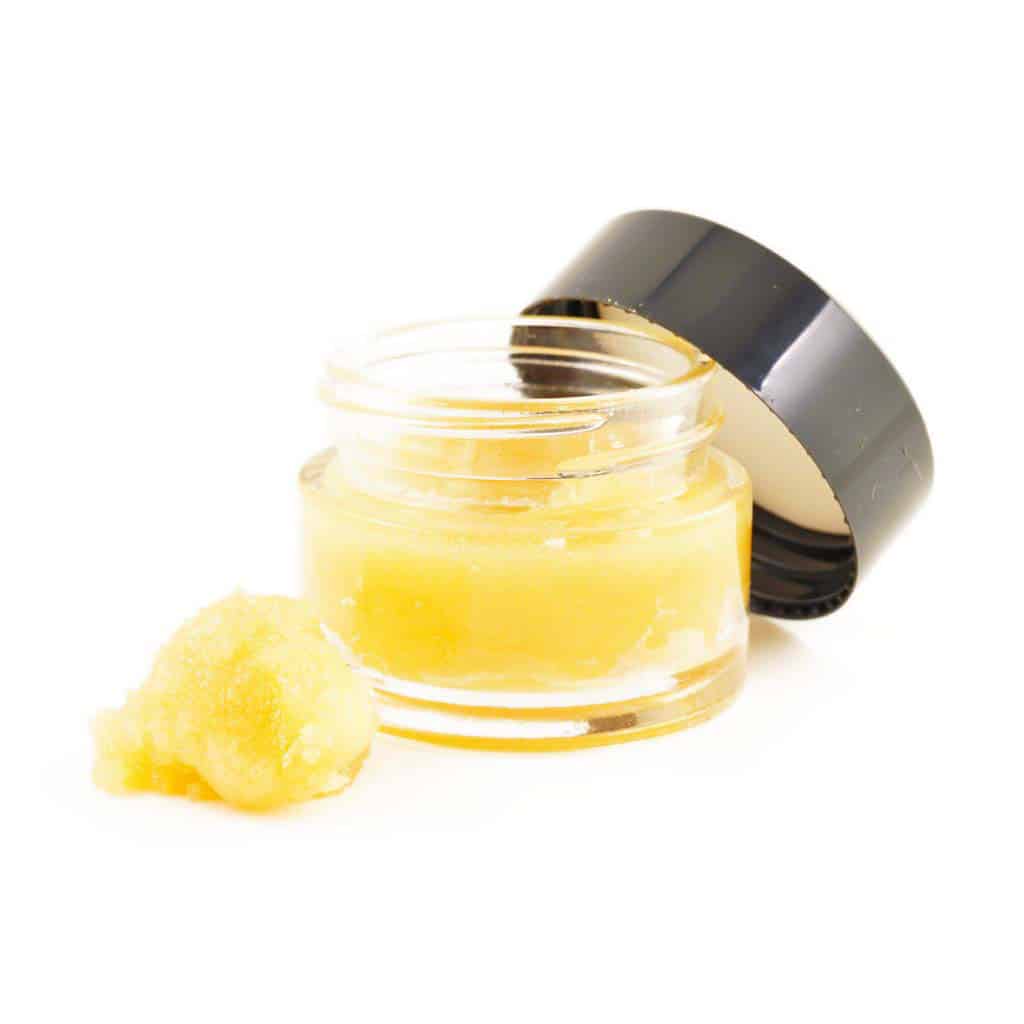
Not all THC used in edibles costs the same to produce. The type of extract and formulation directly affects the price per milligram, even when total potency is identical. Differences in extraction method, processing steps, yield efficiency, and absorption technology all influence the final price.
When comparing edible prices, it’s important to distinguish between paying for raw THC quantity and paying for how that THC is formulated and delivered.
Extract & Formulation Comparison Table
| Extract / Formulation | How It’s Made | Price per mg | What You’re Paying For | Best For |
|---|---|---|---|---|
| Distillate | Distilled & Refine Crude oil | Lowest | Consistency, efficiency | Value-focused buyers |
| Nano THC | Distillate + nano-emulsion | Medium–High | Faster onset, improved absorption | Predictable, quicker effects |
| Live Resin | Fresh-frozen cannabis | Higher | Broader terpene profile | Flavour & fuller effects |
| Live Hash Rosin | Solventless (heat & pressure) | Highest | Purity, craft extraction | Premium experience |
Distillate edibles usually offer the lowest price per mg, while nano THC, live resin, and live rosin cost more due to additional processing or premium extraction methods — not because they contain more THC.
Other Cannabinoids Inside (CBN, CBG, CBD)
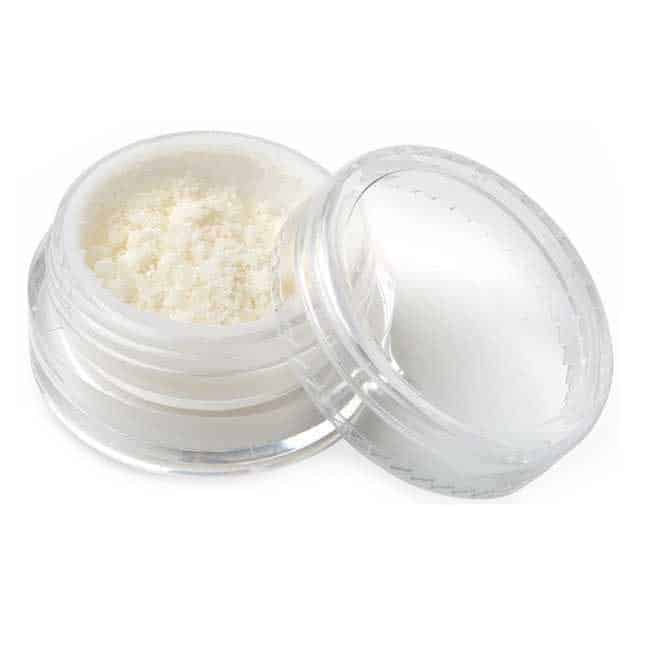
Edibles that include minor cannabinoids usually cost more due to:
- Extra extraction steps
- Rarer inputs
- More complex formulations
| Cannabinoid | Primary Use | Price Impact |
|---|---|---|
| CBD | Balance | Low (Cheaper than THC) |
| CBN | Nighttime | Moderate |
| CBG | Focus | Moderate–High |
These products may have a higher price per mg of THC, but deliver more targeted effects, which can reduce total consumption.
Understanding the Price Gap Between Legal and Legacy Edibles
Legal and legacy edibles are priced so differently because they are produced under entirely different economic, regulatory, and operational conditions. From licensing and facility costs to taxes and testing requirements, these structural differences directly impact price per milligram and explain why comparisons based on shelf price alone are misleading.
| Cost / Constraint | Legal Edibles | Legacy Edibles |
|---|---|---|
| Initial investment | High (licensed facilities, security, QA) | Low |
| THC limits per package | Strictly capped | No formal cap |
| Excise tax | Required | None |
| Mandatory lab testing | Required | Not standardized |
| Packaging & labeling | Child-resistant, regulated | Minimal |
| Traceability & compliance systems | Mandatory | Not required |
| Hygiene & food standards | Enforced | Varies |
| Fixed costs per mg | Very high | Lower |
| Typical price per mg of THC | High | Lower |
Legal and legacy edibles are not priced differently because one is “better” or “worse,” but because they exist in two entirely different regulatory and economic worlds.
Comparison Table: Real-World Edible Price Examples (Canada)
| Edible Type | Extract / Formulation | Total THC | Price | Price per mg (THC) | Value Tier |
|---|---|---|---|---|---|
| Store THC Gummy | Distillate | 10 mg | $4 | $0.40 / mg | 💸 Expensive |
| Online THC Gummies | Distillate | 100 mg | $10 | $0.10 / mg | ✅ Good Value |
| Strong Gummies | Distillate | 1000 mg | $35 | $0.03 / mg | 💯 Best value |
| Live Resin Gummies | Live resin | 200 mg | $25 | $0.12 / mg | ⚠️ Paying for extract quality |
| Sleep Gummies THC + CBN | Distillate + CBN | 100 mg | $19 | $0.19 / mg | ⚠️ Functional premium |
| THC Chocolate Bar | Distillate | 240mg | $29 | $0.12 / mg | 😋 Slightly More but Chocolate |
Expert thoughts
When comparing the price of edibles, price per milligram of THC is the most important starting point, because it’s the only way to fairly compare products with different potencies. That said, it shouldn’t be the only factor. Two edibles can have the same price per mg yet deliver very different value and experience.
Higher potency isn’t automatically “better” for everyone. For some users, smaller packages or more controlled dosing may actually be more appropriate, even if the price per mg is higher.
Extract type further changes the equation. Distillate-based edibles are generally the most cost-efficient, while nano THC, live resin, or live rosin products cost more due to additional processing or lower yields. Functional formulations that include cannabinoids like CBN also carry a premium, not because they contain more THC, but because they’re designed for a more specific experience.
The key takeaway is that cheaper doesn’t always mean better. The best-value edible is the one that aligns with what you want and how you consume — not simply the one with the lowest upfront price or the lowest cost per milligram.
FAQ
The biggest mistake is comparing edibles by sticker price instead of price per milligram of THC. This often leads people to overpay for low-potency products that appear cheap but deliver poor value.
Because pricing isn’t based on THC alone. Extract type, formulation, added cannabinoids, and production costs all affect the final price, even when total THC is identical.
Low-dose edibles carry the same packaging, testing, and handling costs as higher-potency products, but those costs are spread over far fewer milligrams — resulting in a much higher cost per mg
Not always. Higher potency usually lowers cost per mg, but for occasional users, large packages can lead to waste. Value depends on how often and how much you consume, not just math.
More elaborate formats use premium ingredients, additional processing, and shorter shelf-life controls. You’re often paying for taste and experience, not extra THC.
Nano THC edibles usually cost more per mg because of extra processing, but faster onset and improved absorption can make them feel more efficient for some users — changing perceived value.
Minor cannabinoids require separate extraction and precise formulation, increasing production costs. These products are priced for functional effects, not THC efficiency.
Legal edibles must absorb excise taxes, licensing fees, compliance systems, testing, packaging rules, and THC caps, all of which raise cost per mg significantly.
Only if you account for regulatory and structural differences. They operate under completely different cost models, so direct price comparisons without context are misleading.
Start with price per mg, then adjust based on:
– How often you consume
– Whether you prefer simple THC or functional effects
– Your tolerance level
– Whether taste or experience matters
The best value isn’t the cheapest edible — it’s the one that fits your actual use.