


Blog
Why Is My Vape Cartridge Leaking? Causes, Prevention and Troubleshooting

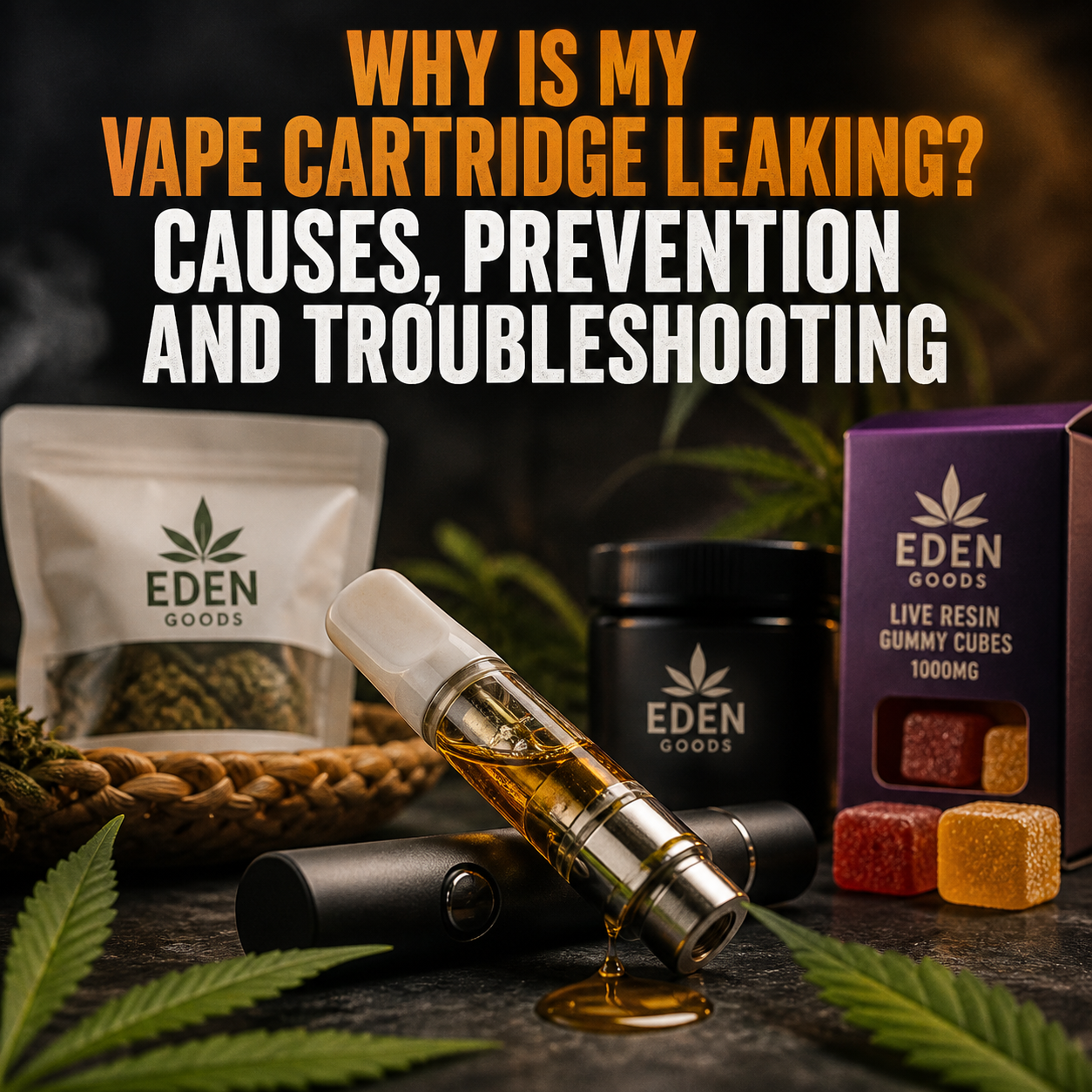
Why Is My Vape Cartridge Leaking? Causes, Prevention and Troubleshooting
Why is my vape cartridge leaking? The most common reasons include excessive heat, improper storage, a damaged seal, incorrect battery settings, over-tightening, or a manufacturing defect. Sometimes, however, the liquid near the mouthpiece is only condensation rather than a true oil leak.
A leaking cartridge can be messy and frustrating. It can also affect airflow, waste cannabis oil, and contaminate the battery connection. The safest response depends on where the liquid appears and whether the cartridge looks damaged.
This guide explains how to identify the problem, troubleshoot it carefully, and prevent it from happening again. If a cartridge is cracked, unusually hot, heavily leaking, or connected to a damaged battery, stop using it rather than trying to repair it.
Is Your Vape Cartridge Actually Leaking?
Not every sticky mouthpiece indicates a failed cartridge. Vapor can cool inside the airway and form condensation. Small amounts may collect near the top before becoming visible.
A true leak usually involves cannabis oil escaping through the mouthpiece, airflow holes, base, or threaded connection. The oil tends to be thicker, stickier, and more strongly scented than ordinary condensation.
| What you notice | Likely explanation | Recommended response |
| A small amount of thin residue inside the mouthpiece | Condensation | Clean the accessible surface and monitor the cartridge |
| Thick oil around the base or battery threads | Seal failure, overheating, or pressure-related leakage | Disconnect the cartridge and inspect it |
| Hot droplets or liquid entering the mouth | Flooding, spitback, or an overheated coil | Stop inhaling and allow the device to cool |
| Very restricted airflow without visible oil outside | Clogged airway | Use only the manufacturer-approved clearing method |
| Oil escaping from a crack | Damaged tank | Do not use the cartridge; replace it |
Do not taste unknown residue to identify it. Cannabis concentrates are not intended for swallowing, and leaked material may have collected dust, lint, metal residue, or other contaminants.
Why Is My Vape Cartridge Leaking? The Main Causes
Cartridges contain several small components, including a tank, seals, an airway, an atomizer, and a threaded or magnetic connection. A change in temperature, pressure, or component alignment can allow oil to move where it should not.
Exposure to Heat
Heat makes many cannabis oils less viscous. As the oil becomes thinner, it may travel through the intake openings, flood the heating chamber, or seep past a weakened seal.
A cartridge left in a parked car, beside a sunny window, or near a heater can leak even if it previously worked well. Repeated heating and cooling may also place stress on the tank and seals.
Never use an open flame, boiling water, oven, or hair dryer to warm a cartridge. Excessive heat can damage the hardware, alter the oil, and create a fire or burn risk.
Incorrect Storage Position
Cartridges generally perform best when stored upright, with the mouthpiece facing upward. Leaving one on its side or upside down for long periods can let oil enter the central airway.
Orientation matters even more in warm conditions. Thin oil can move into the mouthpiece or coil chamber faster when gravity directs it toward those openings.
Changes in Air Pressure
Pressure changes during air travel, mountain driving, or significant weather shifts can push oil through small openings. A partially used cartridge contains more air space, which may make pressure changes more noticeable.
Travel rules for cannabis and vape batteries vary by jurisdiction and carrier. Check all applicable laws and transportation requirements before traveling. Never attempt to use a vaping device on an aircraft.
Drawing Too Hard
A forceful inhale can pull more oil toward the coil than it can vaporize. The chamber may then flood, causing gurgling, clogging, spitback, or leakage through the airflow path.
Use slow, gentle draws instead. A cartridge does not require the same suction as a thick beverage through a straw. If airflow remains restricted, do not keep pulling harder. Identify the clog or replace the cartridge.
Battery Voltage Is Too High
A high power setting can overheat the coil and surrounding oil. This may produce a burnt taste, unusually hot vapor, darkening near the intake holes, or leakage after the device cools.
Use a battery setting that the cartridge manufacturer identifies as compatible. If the instructions allow adjustable voltage, begin at the lowest recommended setting. There is no single voltage that suits every cartridge, oil formulation, and coil design.
Over-Tightening the Cartridge
A 510-thread cartridge only needs a secure connection. Tightening it forcefully can stress the base, compress internal seals, damage threads, or interfere with airflow.
Screw the cartridge in gently until it makes contact. Do not use tools. If a cartridge sits crooked, will not connect smoothly, or requires force, it may be incompatible or damaged.
A Worn or Defective Seal
Small seals help keep oil inside the tank. Manufacturing defects, impact damage, heat exposure, and ordinary wear can cause them to fail. Leakage around the glass, base, or mouthpiece may indicate a seal problem.
Most sealed cannabis cartridges are not designed for home repair. Opening one can introduce contaminants, damage the heating element, and expose you to concentrated oil. Replacement is usually the safer option.
Cracked Glass or Damaged Hardware
A cartridge may crack after being dropped, carried loose in a bag, or subjected to rapid temperature changes. Even a hairline fracture can release oil slowly.
Do not use a cracked cartridge. Broken glass, exposed internal materials, and contaminated oil create avoidable risks. Place it in a secure container away from children and pets until you can follow local disposal guidance.
Oil Formulation or Filling Problems
Oil viscosity must suit the cartridge design. If the formulation is too thin for the intake openings or coil, it may flood the chamber. Overfilled cartridges can also leak when the liquid expands in warm conditions.
Persistent leakage from a new, correctly stored cartridge may point to a product or hardware defect. Keep the packaging and batch information, and contact the retailer or manufacturer. Do not transfer leaked oil into another cartridge unless the manufacturer specifically designed and documented the system for refilling.
How to Troubleshoot a Leaking Vape Cartridge Safely
Start with the least invasive steps. The goal is to identify external residue, a loose connection, a clog, or visible damage without opening the tank.
- Stop using the device. Disconnect the cartridge if it is safe to do so. If the battery feels excessively hot, place the device on a stable, nonflammable surface away from combustible materials.
- Keep the cartridge upright. Let it return naturally to room temperature. Do not refrigerate, freeze, or rapidly heat it.
- Inspect the tank and base. Look for cracks, loose parts, oil around the seams, bent threads, or damage to the battery connection.
- Clean exterior residue. Use a dry cotton swab or lint-free material. For stubborn residue on external metal threads, a small amount of isopropyl alcohol on a swab may help. Keep liquid away from the tank and internal airway, then allow the connection to dry fully.
- Check compatibility. Confirm that the cartridge and battery use the same connection and that the battery setting falls within the cartridge maker’s guidance.
- Reconnect without force. Attach the cartridge only until it sits securely. Do not over-tighten it.
- Test cautiously. If there is no crack, heavy leakage, overheating, or battery damage, follow the manufacturer’s instructions and use a short, gentle draw at an approved low setting.
If leakage immediately returns, stop using the cartridge. Repeatedly wiping the exterior does not correct a failed seal or unsuitable hardware.
What to Do About a Clogged or Flooded Cartridge
A clogged cartridge often feels blocked and may produce little vapor. A flooded one may gurgle or send hot droplets through the mouthpiece. The two problems can overlap because oil in the airway may cool and thicken.
Use Gentle, Manufacturer-Approved Warming
If the manufacturer provides a preheat function, use it exactly as directed. Otherwise, holding the upright cartridge in your hands for several minutes may gently warm thickened oil.
Do not insert pins, needles, toothpicks, or other objects deep into the airway. They can damage the coil, push debris into the cartridge, or create an electrical problem. Never apply direct flame.
Avoid Repeated Hard Pulls
Pulling harder can draw additional oil into an already flooded chamber. Use light airflow only after the cartridge has returned to an appropriate temperature. Stop if you feel liquid, excessive heat, or irritation.
Do not consume oil recovered from the mouthpiece or battery connection. Once it has leaked, you cannot reliably confirm that it remains clean or chemically unchanged.
When Should You Replace a Leaking Vape Cartridge?
Some minor condensation is manageable. Structural damage and recurring oil loss are different. Replace or return the cartridge when continued use could compromise safety or product quality.
- The glass or plastic tank is cracked.
- Oil continuously leaks from the base, seam, or mouthpiece.
- The cartridge becomes abnormally hot.
- The oil contains visible particles or looks unexpectedly separated.
- The vapor tastes burnt, metallic, or distinctly unusual.
- The threads, center pin, or battery contact appear damaged.
- The cartridge leaks again after careful cleaning and correct storage.
- The product has no reliable label, batch information, or identifiable source.
A disposable cannabis vape should not be opened or dismantled. If its tank leaks or its built-in battery is damaged, follow the seller’s return policy and local electronic waste rules.
How to Prevent a Vape Cartridge From Leaking
Good storage and moderate use can reduce leakage, although they cannot prevent every manufacturing defect.
- Store it upright. Keep the mouthpiece facing upward whenever possible.
- Avoid extreme temperatures. Use a cool, dry storage location away from sunlight, vehicles, radiators, and freezing conditions.
- Use compatible hardware. Follow the cartridge and battery manufacturers’ specifications.
- Start with low power. Stay within the approved range and increase only when the instructions permit it.
- Take gentle draws. Avoid strong suction and rapid back-to-back use.
- Protect it from impact. Use an appropriate case rather than carrying a loose cartridge with keys or other hard objects.
- Keep connections clean. Inspect the external contact and threads before attaching the cartridge.
- Buy from a lawful, traceable source. Choose clearly labeled products with intact packaging and manufacturer information.
Explore [[LIEN_INTERNE: cannabis vapes]] to compare compatible formats and learn more about responsible storage and device care.
Important Health and Safety Considerations
Stop using any vaping product that causes chest pain, breathing difficulty, severe coughing, dizziness, faintness, or other concerning symptoms. Seek urgent medical help for serious or rapidly worsening symptoms. A healthcare professional can provide advice based on your health history and local circumstances.
Keep cannabis cartridges, leaked oil, batteries, and cleaning materials away from children and animals. Cannabis exposure can be harmful to them. If accidental ingestion or significant exposure occurs, contact your local poison control service, veterinarian, or emergency service promptly.
Leaked oil on skin should be removed without spreading it. Follow the product label, wash the area with soap and water, and seek professional guidance if irritation develops. Avoid touching your eyes while cleaning the device.
Do not use a swollen, punctured, corroded, wet, or overheating battery. Lithium-ion batteries require suitable disposal and must not go into fire. Follow local battery and electronic waste requirements.
Frequently Asked Questions
Why is oil coming out of my vape mouthpiece?
Oil in the mouthpiece may result from heat, sideways storage, strong inhalation, or a flooded chamber. Stop using the cartridge, keep it upright, clean the accessible exterior, and inspect it for damage.
Can I still use a cartridge after it leaks?
A small amount of condensation may not make a cartridge unusable. Do not use it if the tank is cracked, leakage is recurring, the battery is damaged, or the oil appears contaminated.
Why does my cartridge leak into the battery?
Oil near the battery connection may indicate a failed bottom seal, overheating, pressure changes, or flooding. Disconnect the cartridge and clean only the external contact. Replace the cartridge if leakage continues.
Does storing a cartridge sideways cause leaks?
It can. Sideways storage may allow oil to enter the central airway, especially in warm conditions. Upright storage with the mouthpiece at the top is generally preferable.
Can a high voltage make a vape cartridge leak?
Yes. Excess power may overheat the coil and thin the surrounding oil. Use only settings approved by the cartridge manufacturer.
How do I fix a leaking disposable vape?
Do not open or dismantle it. Wipe away external residue, keep it upright, and stop using it if leakage continues or the battery becomes hot or damaged.
Why does my new cartridge leak?
A new cartridge may have been exposed to heat or pressure, overfilled, damaged during transport, or manufactured with a faulty seal. Retain the packaging and contact the seller.
Conclusion
If you are asking, “Why is my vape cartridge leaking?”, begin by checking for heat exposure, sideways storage, excessive suction, high battery power, over-tightening, and visible damage. Keep the cartridge upright, clean only its exterior, and follow the manufacturer’s operating instructions.
Do not attempt to repair a cracked or repeatedly leaking cartridge. Replacing defective hardware is safer than opening the tank or consuming recovered oil. For carefully selected products and practical care solutions, discover the Sphère Santé product range and browse Eden Goods for more guidance on cannabis vape care.